2) This program is accredited for #physicians #nurses #PAs #NPs #pharmacists and is supported by an unrestricted educational grant from Anthos Therapeutics. Statement of accreditation and faculty disclosures at https://t.co/gvXca4G9Xm.
— cardio-met (@cardiomet_CE) October 16, 2024
4) This is important as the burden of #AFib is quite high globally. Even more concerning, the incidence of AF is estimated to grow substantially over the next few decades. https://t.co/8MRmIiJBV8 pic.twitter.com/p7oKh186Zg
— cardio-met (@cardiomet_CE) October 16, 2024
6) Given the increased burden of #AF globally, there is a critical need to maximize stroke-prevention therapy. This is especially important since an estimated 40-60% of people with a history of AF are not currently receiving stroke-preventative therapy. https://t.co/HY8lf6dJzG
— cardio-met (@cardiomet_CE) October 16, 2024
8) While each of these is an important stroke risk element, increasing age is the strongest predictor of stroke risk. https://t.co/hCY9ekncT1 pic.twitter.com/42WcM4k1uB
— cardio-met (@cardiomet_CE) October 16, 2024
10) According to recent observational data, why is stroke protection poorly achieved on a population basis despite advances in anticoag tx?
— cardio-met (@cardiomet_CE) October 16, 2024
A) Lack of pt education
B) Poor pt adherence to medical therapy
C) Underprescribing of anticoagulants
D) Limited access to anticoag drugs
12) Factors that drive underuse of stroke prevention in patients with #AFib include underprescribing of oral anticoagulants, drug limitations, and suboptimal patient adherence to medical therapy. https://t.co/F6gimFpHpC pic.twitter.com/ZLsA3XShSc
— cardio-met (@cardiomet_CE) October 16, 2024
14) Factor XI/XIa inhibitors have been shown to have extremely low rates of bleeding, especially when compared to currently used #DOAC medications. https://t.co/mAI0JKwqOc pic.twitter.com/8Ah94BzCos
— cardio-met (@cardiomet_CE) October 16, 2024
16) This concept of “decoupling” thrombosis and hemostasis means that there is great potential for a factor XI/XIa inhibitor to improve stroke prevention therapy in patients with AFib. https://t.co/v3qSvmUQPk pic.twitter.com/p6p9f34Q3u
— cardio-met (@cardiomet_CE) October 16, 2024
18) Several key therapies have been developed to target factor XI/XIa #FXI activity. They include #oligonucleotides, #monoclonal antibodies, and small molecule inhibitors. pic.twitter.com/8budP7ynb7
— cardio-met (@cardiomet_CE) October 16, 2024
20) This combination of pharmacokinetic properties can be leveraged to overcome current barriers to stroke prevention in #AFib. For instance, medication with a long half-life (e.g., monoclonal antibody) could help with adherence concerns. pic.twitter.com/lppAnhgBtJ
— cardio-met (@cardiomet_CE) October 16, 2024
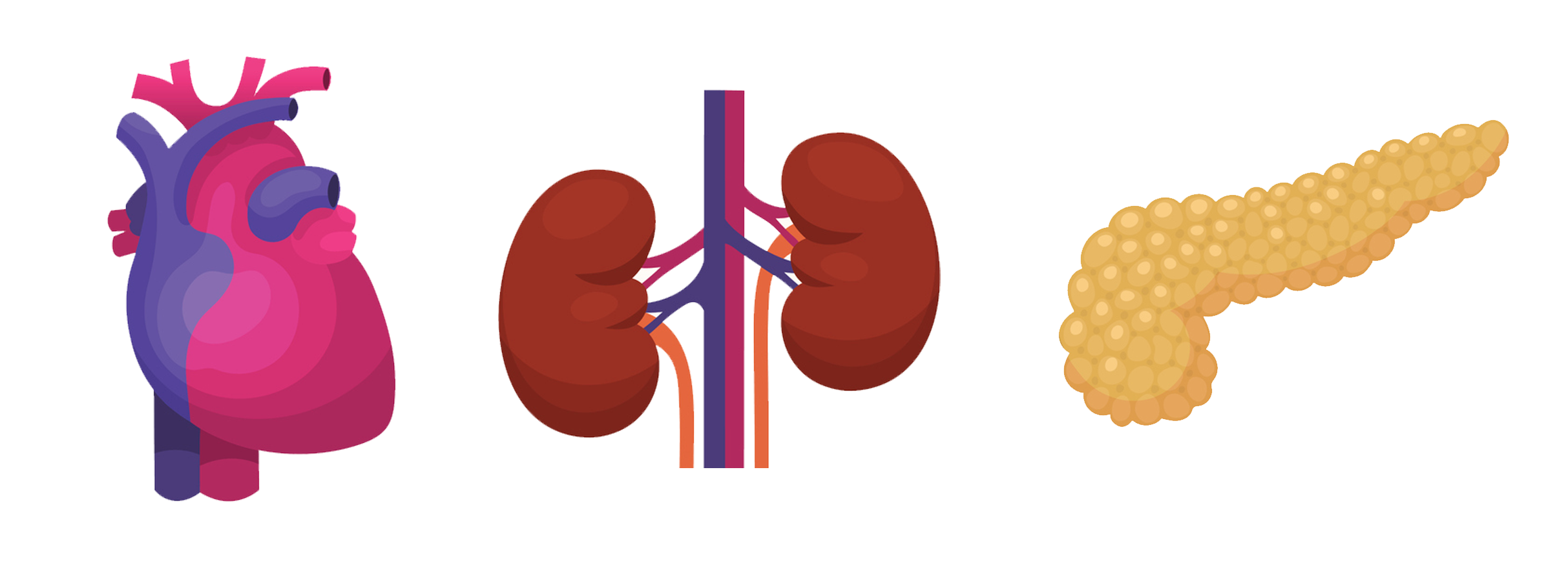
22) For many patients with #AFib, concurrent renal dysfunction complicated their stroke prevention therapy. Patients with advanced chronic kidney disease #CKD, including those with #dialysis, are often not good candidates for #DOAC therapy pic.twitter.com/sLYOTiCXlv
— cardio-met (@cardiomet_CE) October 16, 2024
24) Another key barrier to underuse of stroke preventative therapies in patients with #Afib is the concern for #bleeding risk, especially among frail patients. pic.twitter.com/aRar7JUSK7
— cardio-met (@cardiomet_CE) October 16, 2024
26) In the recently published Ph 3 OCEANIC AF trial, pts randomized to #asundexian (an oral factor XIa inhibitor) had lower rates of ISTH major ?than pts randomized to apixaban–but pts receiving asundexian had more stroke & systemic embolism events. https://t.co/w16vLiba3T pic.twitter.com/OhuptfbRi1
— cardio-met (@cardiomet_CE) October 16, 2024
28) Other ongoing phase 3 trials in patients with #AFib are being conducted with #abelacimab (versus placebo in patients at high bleeding risk) and #milvexian (versus #apixaban). pic.twitter.com/124F5oZDAK
— cardio-met (@cardiomet_CE) October 16, 2024
30) And YOU just earned 0.5hr ?CE/#CME! Claim your credit NOW at https://t.co/EnWsgWFC3D. Stay tuned for more updates on the evolution of #antithrombotic therapy, & thanks again to @GBarnesMD for leading this program!
— cardio-met (@cardiomet_CE) October 16, 2024